What is Seto Pottery?
The Beginning of Seto Pottery
Seto pottery is said to have made its debut about 1,000 years ago, when ash glaze ceramics were produced in the late Heian period (the latter half of the 10th century). Later on, glazed “Koseto” pottery was created, and for about 300 years from the Kamakura period to the Muromachi period, it circulated throughout Japan as the only domestic pottery that used glaze.
The Two Individuals Who Forged the Foundations of Seto Pottery
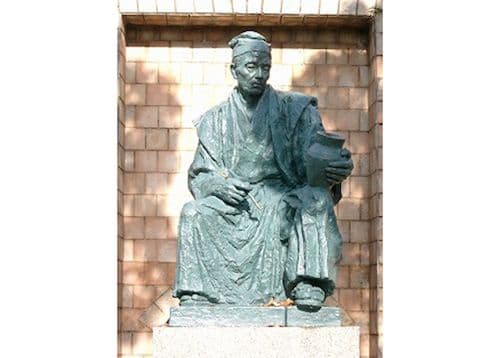
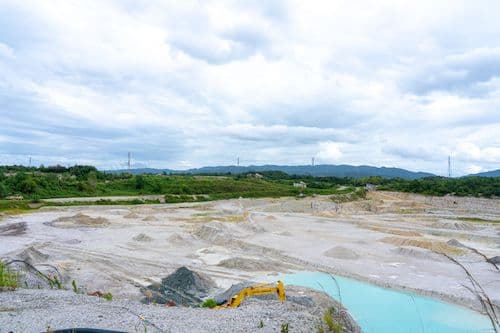
There are two people who played major roles in these developments. Their names are Kato Shirozaemon Kagemasa and Kato Tamikichi. Kagemasa. Kagemasa traveled to China at the beginning of the Kamakura period during the Song dynasty and learned pottery techniques. Afterwards, as he traveled to various places around Japan in search of soil suitable for making pottery, he discovered that he could gather high-quality soil in Seto. He then began to fully devote himself to creating pottery. This marked the beginning of “Koseto” pottery. As the founder of the Seto pottery style that continues to this day, Kagemasa has been referred to as the “father of pottery.” Kagemasa’s efforts led to Seto pottery spreading throughout the country. With the arrival of the Edo period, Kato Tamikichi came to play an active role, and he was referred to as the “father of porcelain.” He traveled alone to Arita (Saga Prefecture), learned the art of porcelain crafting, and spread it to Seto. Thanks to these efforts, in addition to conventional pottery, the production of blue-and-white porcelain began to flourish.
Owing to the achievements of the “father of pottery,” Kato Shirozaemon Kagemasa, and the “father of porcelain,” Kato Tamikichi, the blossoming industry of Seto pottery saw an increase in exports and the establishment of infrastructure in the modern era, allowing a system of mass production to take form. Up until now, there has been a variety of pottery production sites all over the country producing industrial goods such as the bowls and plates used in meals, as well as tiles, flower vases, and ornaments. However, none have produced as wide a variety of products as Seto, to the point where it has been said that “there is nothing that Seto cannot produce.” Seto has grown into the leading producer of many types of ceramic products that have become an essential part of our lives.